


Written by Erik Ostling.
Since most of my clothes are second hand, Simon recently asked if I wanted to write something about used clothes and vintage shopping.
I smiled when he asked because most people who are really good at finding second hand items don’t often want to explain how they do it. Every time I ask a vintage dealer how they manage to find all their goodies, they often change the subject.
Buying and selling vintage is not how I make a living, which makes me feel a little safe in sharing a few things I’ve learned along the way. But to be honest, success is often less about secret knowledge than persistence. I’m going to share my thoughts today on why I buy second hand, where to look and what to look for, and among the photos I’ve found over the years.
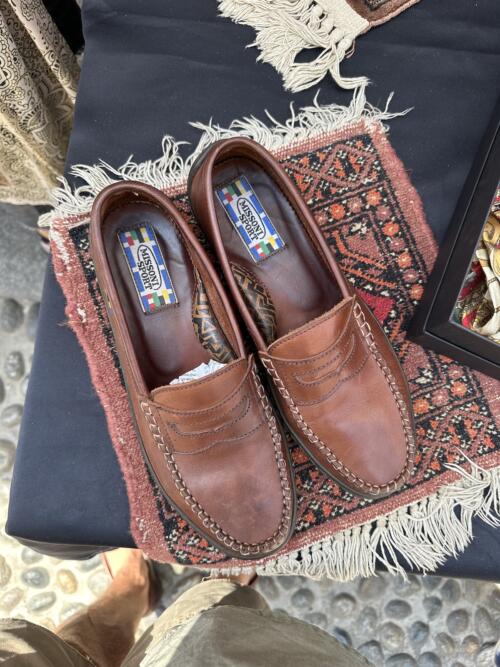
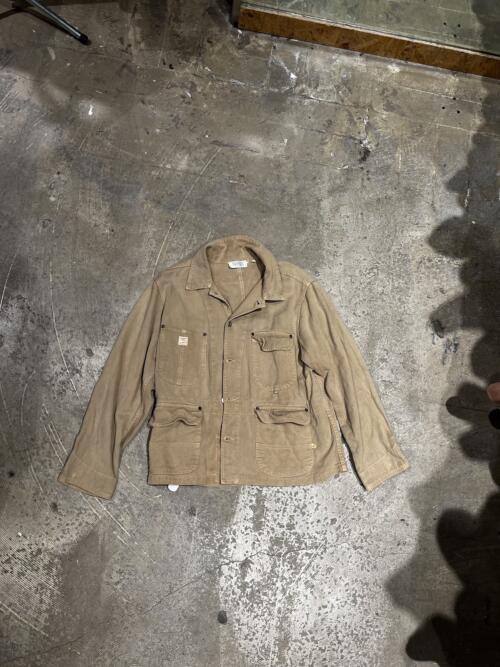
The ultimate destination for style
I started secondhand shopping online in the early 2000s. I had little money and wanted cool things that were not available in Stockholm. Being an early adopter of the mobile internet opened up a whole new world, especially when it came to bidding on Evisu jeans and Arc’teryx jackets on Ebay. This is probably where the seed was planted.
When I started earning more money, I spent almost a decade buying new ready-to-wear pieces and, later, MTO. I then took on a major role in a luxury online store, which came with an annual allowance of £25,000. Ironically, that almost killed my interest in buying new clothes (except for a few pairs of John Lobb Antibes and Edward Green Dovers…)
I think the reason was that when things that were hard to pay for became easy, they stopped feeling interested. What was fun instead was finding things that only exist once, which I believe is where most people who are very interested in clothing end up.
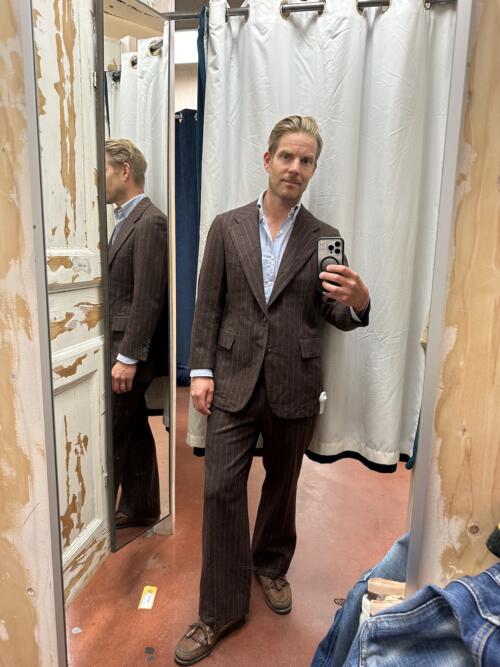
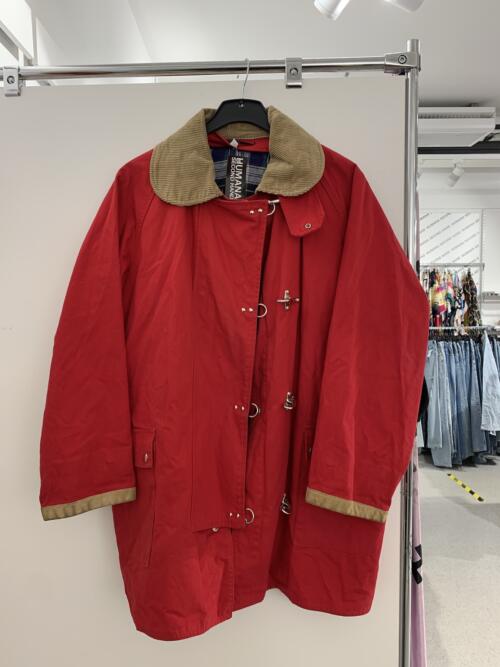
There are only two ways to do that. One is expensive and the other is slow. The first is bespoke – asking a tailor to make something completely unique for you. Another buys things second-hand.
The interesting thing is that bespoke and vintage represent two completely different types of ‘one of a kind’. Bespoke is total control, and second hand is acquisition.
A great vintage dress can surprise you. You find dimensions, fabrics, details and patina that you would not have imagined yourself. A big part of the joy is finding something you wouldn’t have designed on your own.
The quality of things made before the explosion of fashion products is also hard to ignore. Second-hand prices are often much lower, the fabrics better (due to less stress on the cotton plants and sheep) and the craftsmanship more careful than most of what is produced today.
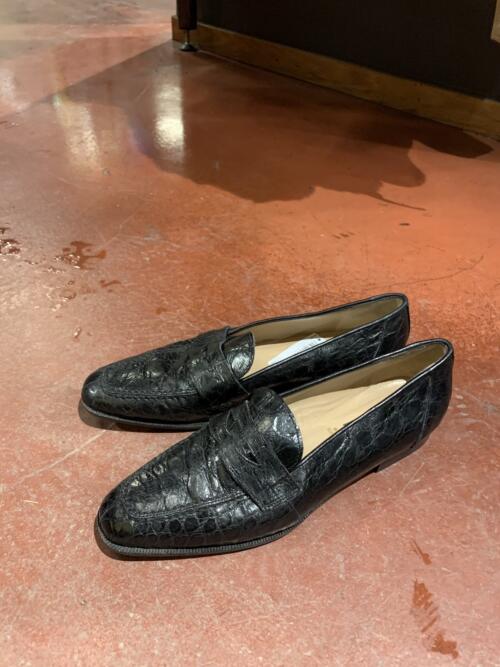
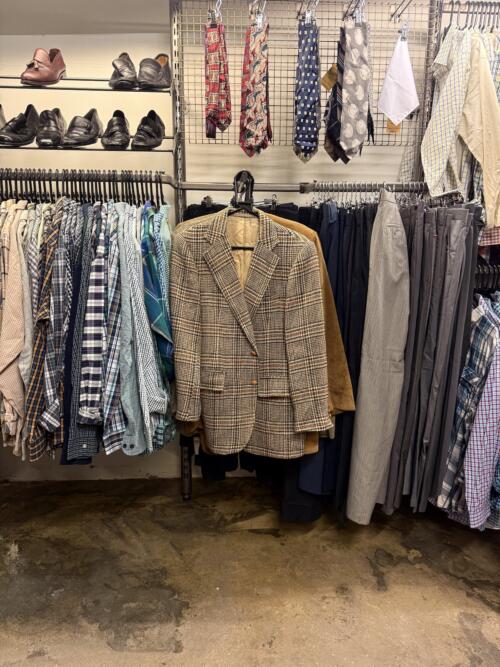
Where can you look
When it comes to physical second-hand shopping, I tend to think of four categories: flea markets, thrift stores, thrift stores, and thrift stores or hand-picked warehouses. The difference between them is mainly function and price. The less work you want to do yourself, the more expensive things become.
Personally, I find markets, charity shops and thrift stores very interesting, because I enjoy the search itself. Hand-picked stores can be very expensive because the owner often has a personal relationship with every garment. I always think I can find a lot of things cheaper myself if I put in the effort, but I try to support these stores when I find something really unique, because they usually have a good eye and are a great source of inspiration.
If you also like to hunt, finding stores with the best selection is not rocket science. If you’re going to countries with a high standard of old and strong sewing culture, just go to the rich areas, find weekend markets and charities, and start digging.
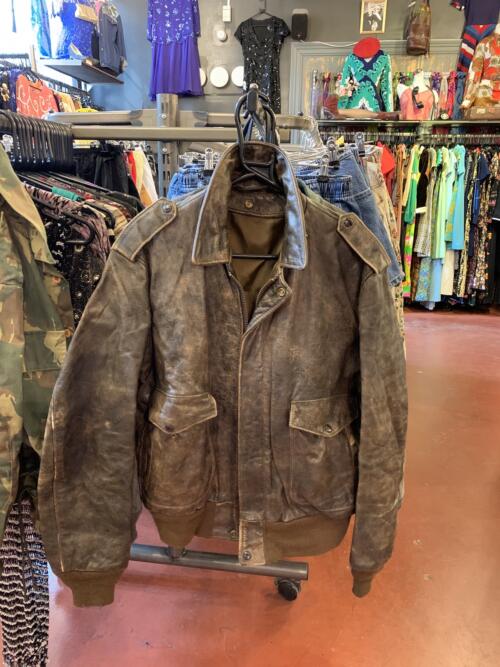
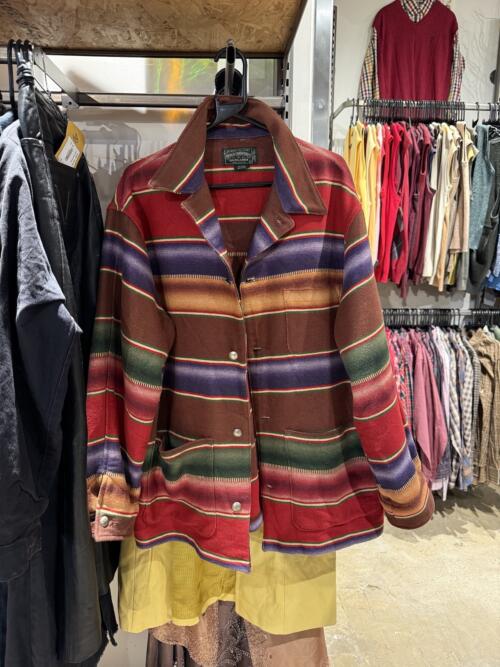
Rich people tend to buy better clothes, and giving to the needy is a common behavior. I used to get shirts from charity shops in Chelsea and Kensington that still had the dry cleaning tags on them. To be honest, I think taking the time to clean your clothes before giving them to the needy is a good example of how you should behave in life.
When you start searching in your town, visit as many stores as you can, then narrow it down to the ones with the highest potential. Then, visit them often enough to learn the variety – you will quickly see the arrivals, and the visit will be faster.
Build relationships, ask how often and when new deliveries arrive. Give them your number and treat them to something nice if they help you find what you’re looking for. Cakes are always appreciated.
What you should look for
The problem with thrift stores is the noise. You have to be free from the mind-boggling of endless negative things. It is necessary to develop an eye to quickly identify unique pieces that are hidden among everything else.
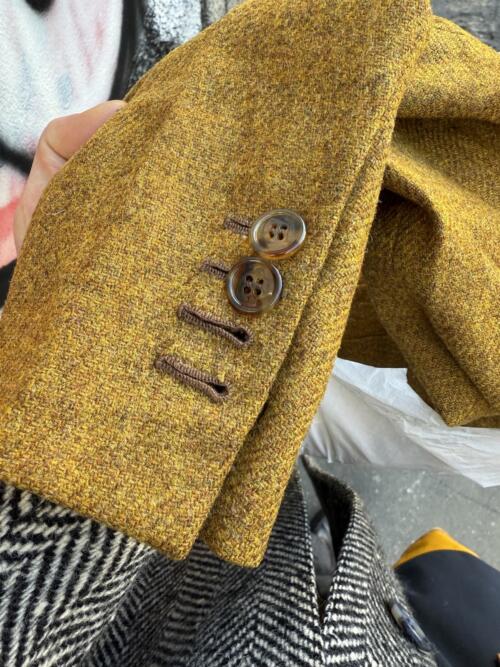
When I search for rails, I use my hands a lot. I always touch fabrics and look for natural fibers – linen, wool, cotton, cashmere, silk. With jackets, I press the shoulder first to feel the construction. They usually hang the sleeves outside, so even looking at the buttons and buttonholes on the sleeves is a good trick. Next is to lift the jacket to look at the lapel: unfortunately many jackets are quickly removed because the lapels are wrong.
Suits are difficult because they tend to be separated during sorting. Pants go with pants, jackets with jackets. You need to identify the suit jacket alone that is masquerading as a sport coat.
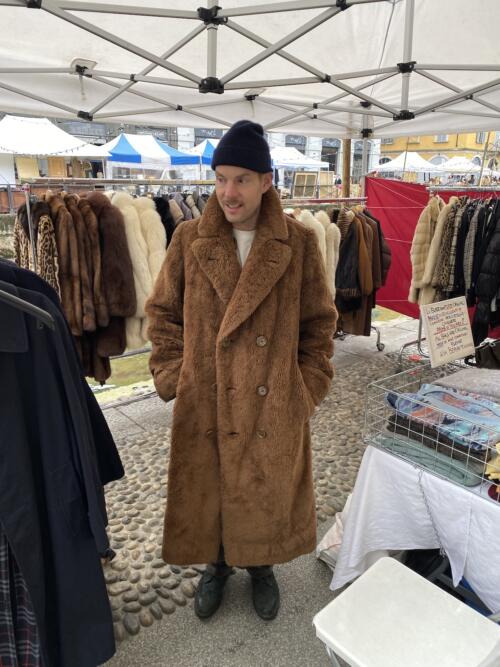
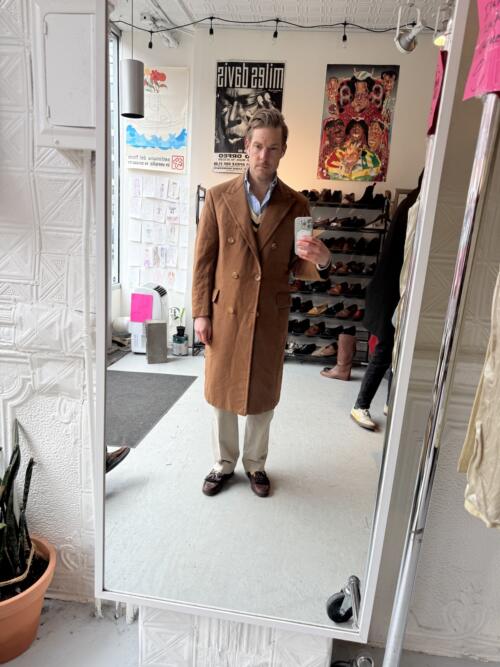
Coats are probably the easiest to buy. They still have loads of great wool coats floating around for very little money. Raglan shoulders are generally more forgiving in fit than fitted jackets. I get five good (if not more) coats out of every sports coat.
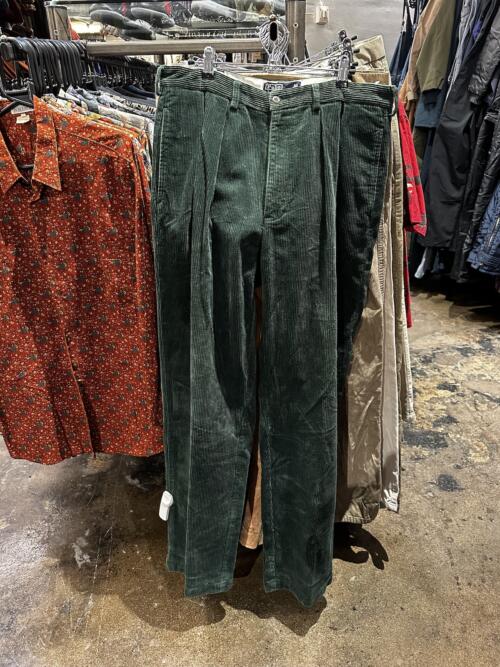
I also buy a lot of trousers from the 80’s, as they have a nice drape and a good fit, which makes them easy to change – up to a size or two.
The biggest thing that second hand has taught me is to look at potential rather than perfection. When I find something interesting, I calculate the cost of alterations in my head – a good relationship with a skilled tailor is important. If the fabric is good enough it may be necessary to change the shoulders, even if the change doubles the price of the jacket.
My last piece of advice is to just think about the potential owner of the dress after you. I always ask my tailor not to cut unnecessary fabric, keep sleeves and pants rolled in if possible, and save seam allowances for future alterations.
Second hand has gradually made me stop thinking of myself as the owner of the clothes, and more as their temporary caretaker. If you haven’t already, I encourage you to start looking. And finally, when someone asks how you manage to get all these good things, you can just smile and answer:
“The more I look, the luckier I get.”
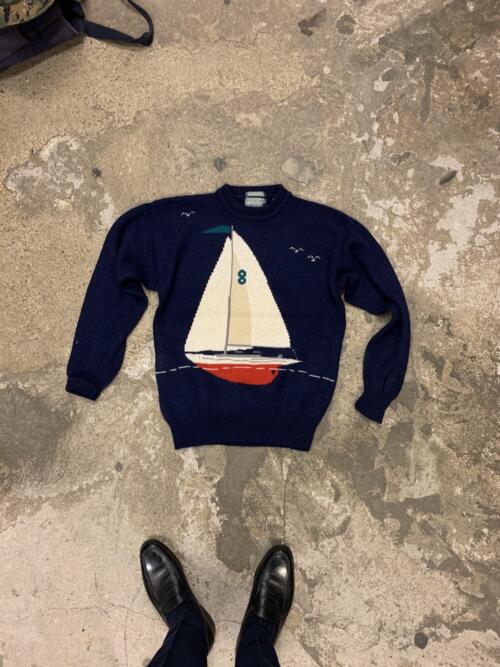
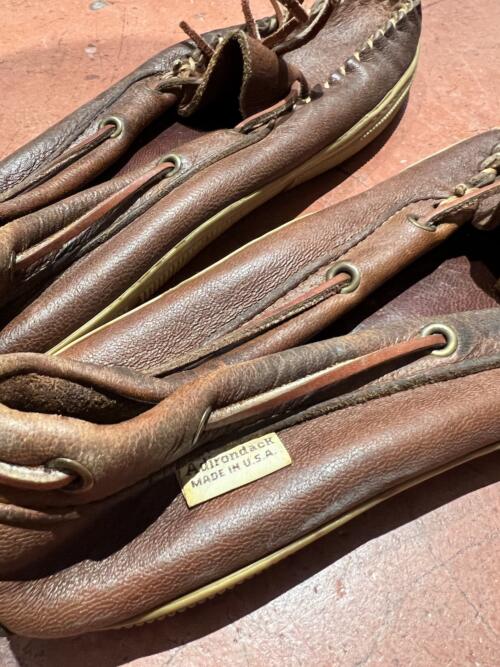
A few handpicked stores I love:
- Hornets – London
- Crowley Vintage – New York
- The Marchesan – Stockholm
- Safari 3 – Tokyo
- Rudolf Beaufays – Hamburg
- Tartan Vintage – Florence
- Cavalli e Nastri (mens) – Milan
- Brut Archives – Paris
Places to visit
The areas around Pimlico/Chelsea/South Kensington in London provide a good representation of affluent areas with many charity shops. I use Google maps and visit as many as I can, but like all these things it’s hit and miss.
Traditional street markets
- Navigli Market – Milano
- Portobello Road/Ladbroke Grove market – London
- Porte Vanves Market – Paris