
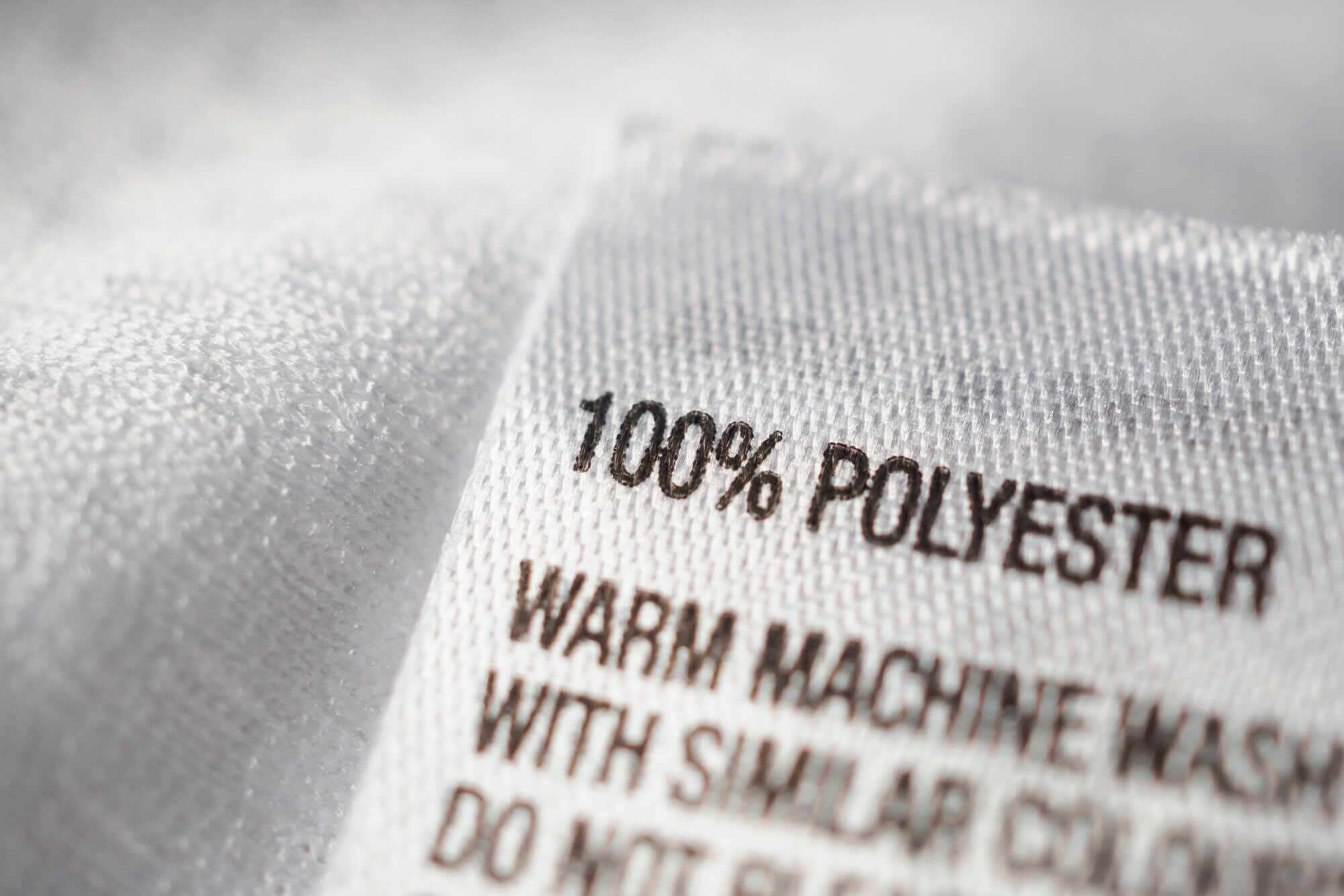

Have you ever walked through a clothing store and found a single shirt labeled \’positive\’ that means “100% recycled”? These slogans on clothing often create the impression, to the untrained eye, of environmental sustainability. Or engaging ad campaigns like “Nike Skims,”new fabricspromoting women\’s empowerment, despite their 100% plastic-based fabrics.
In this article, we\’ll examine when this pivotal point of plastic change in the fashion industry occurred, from \”cotton and wool\” to \”bottle and oil.\” Let\’s dive innganiandKanjanimodern garments are made of plastic. Understanding how these fibers are produced reveals why the natural cost of fast fashion is much higher than we may realize and why it is now more important than ever to look for more sustainable alternatives.
The Rise of Synthetic Materials: How Plastic Became Fashionable
Now in 2026, estimates that more than 60% of clothing sold by retailers is made of plastic material may surprise many of you. If we change the clock just less than 90 years ago, it may be even more surprising that people lived in a world of plastic-free clothes.
Throughout most of human history, clothing was made of such natural fibers as cotton, wool, silk, and linen. The change began when, in the late 1930s, an explosion of the \”Nylon hosiery\” was unleashed.
This seemingly revolutionary new synthetic fiber was created by DuPont chemist \”Wallace Carothers\” in 1935, where he used \”coal, water, and air\” to create fibers that were more elastic than silk. It was a revelation to middle-class women in New York City, as it replaced expensive silk stockings. Nylon sparked a fashion revolution with its easy care and low cost. By the time the 50s rolled around, nylon was in everything – from socks, sweaters, and swimwear.

How Polyester Is Made: From Oil Source to Fabric
Since the invention of nylon, a wave of synthetic fibers quickly appeared on the market: acrylic, polyamide and polyester. The cheapest of the three is still polyester, of which nearly 70 million barrels of oil are used each year to meet global demand for fast fashion. To understand why polyester has such a heavy environmental burden, it helps to look at how this common fabric is produced from start to finish.
Inqubo ye-polyester imi kanje:
Oil > Chemicals > Soluble Plastic > Plastic Fabrics > Fabric > Clothing.
1. Extracting Oil: The Fossil Fuel Beginning
Process: Polyester usually starts as a fossil fuel called crude oil, which is extracted from the earth by drilling. Oil is extracted from underground or onshore wells. It is then transported to refineries, where the crude oil is converted into different fuel products.
Concern: Polyester is not a \”fabric\” in the natural sense: it is a plastic made from non-renewable fossil fuels. Oil extraction contributes to habitat destruction, oil spills, and greenhouse gas emissions.
2. Amafutha: Amakhemikhali (Petrochemical Processing)
Process: In the refinery, oil fractions are chemically broken down into building blocks used to create polyester. The main ingredients are ethylene glycol and terephthalic acid (or dimethyl terephthalate). These chemicals are combined through a high-temperature reaction called polymerisation, which creates long molecular chains known as polyethene terephthalate (PET), the same plastic used in water bottles.
Concerns: This phase requires electricity and is often fueled by fossil fuels. Chemical production can emit toxic substances and is heavily dependent on industrial processes that contribute to climate change.
3. Amakhemikhali: Ipulasitiki Encibilikile (Polymer Chips)
PET plastic is cooled and cut into small pellets called polymer chips. These chips are then dried to remove moisture, heated again at high temperatures (about 260 ° C), and the melted plastic becomes thick and syrupy.
Concern: This is actually a plastic production. From the lens of slow fashion, polyester is not the \”first fabric\”; it is plastic first.
4. Ipulasitiki Encibilikisiwe: Imicu Yepulasitiki (I-Fibre Spinning)
The molten plastic is forced through a machine called a spinneret, which looks like a shower head with small holes. The melted plastic is pushed, forming long, thin, cool and hard fibers into fibers. These fibers are stretched to make them stronger and thinner. They may be crimped (textured) to mimic natural fibers such as cotton or wool. These plastic strips are then tied to spools.
Concerns: These fibers shed microplastics during washing, entering water and oceans. Unlike natural fibers, polyester does not degrade.
5. Imicu Yepulasitiki: Indwangu
The polyester fibers are then spun into plastic yarn, woven or woven into fabric and often dyed and chemically treated. Concern: Textile dyeing is one of the most polluting stages of fashion production, as toxic waste water is often dumped into rivers.
Looking at the production of synthetic clothing reveals the extent to which fast fashion companies rely on fossil fuels. However, the environmental issue does not come to an end once the fabric has been incorporated into the garment. The most important effects of polyester clothes occur after they are added to our wardrobe collection. With all the things we wash and wear that equates to the release of harmful plastic fibers into our air, water and even our bodies, creating a huge invisible, invisible but growing health risk.
Releases from fast fashion industries
While polyester, nylon and acrylic clothing items will appear wrinkle-free and light on the hanger, the factory processing behind them carries a heavy carbon footprint. This product creates high temperatures, chemical reactions, and fossil fuels, making synthetic textiles one of the most emitting processes in the world. Between 2023 and 2024, annual fiber production increased from 125 million tons to 132 million tons, according to the Textile Exchange\’s annual material report. As Polyester accounts for 58% of this growth at 78 million tons by 2024.
Despite relentless campaigns and petroleum – based lobbying, the growth of synthetic fiber factory production and rising air pollution are two sides of the same coin. All factory processing and the rate at which clothes are unfairly disposed of is equivalent to 10% of global carbon emissions, more than all international aviation and maritime transport combined.
Does Polyester Harm the Environment? Emissions and Microplastics

If this does not get you on the steady side of reasoning, let\’s look at the process through a very narrow lens. With 35% of microplastics removed from synthetic fabrics, the majority of the problem arises within the modern house, in the weekly work of washing our clothes. Most microplastics are released in the first couple of washing synthetic clothes, but also during the normal aging of raw materials and the process of producing clothes. This results in an increase in the dissolution of microfibres, which are dispersed in water, air and soil.
Ubuthi bePolyester: Kungani “Kugaywa Kabusha” Akusona Isixazululo Esigcwele
It can be seen as a logical solution for products to use this existing waste while reducing the need for pure plastic (crude oil) especially for clothing that needs to be water resistant. Recycled plastic saves about 30% – 80% of carbon emissions compared to using virgin plastic. Although this recycled material still inevitably contributes to the large spill of microplastic that leads back to the ocean, harming marine life, historically, species have recycled these existing materials because in some respects it was the best solution at the time. While not a perfect solution, it replaces the need for more crude oil extraction to keep up with the current pace of clothing demand, keeps costs down for consumers, and generally removes large chunks of air pollutants from marine environments making many brands use recycled synthetic materials.

This imperfect solution comes with a catch. Once these synthetic materials enter the fashion supply chain, their ability to stay in the circular system is lost due to textile materials that are almost impossible to recycle. The technology is not perfect, and the chemicals used often create difficulties in the recycling process.
Ultimately, this leads to the same place – garbage disposal, so questioning what effect it has on buying clothes that say “save bottles in landfills” or “100% recycled” It is clear that recycled synthetics play their role in some textile industries, but for a everyday person in underwear, sweaters and skirts, synthetic materials are not needed.
Moving Beyond Plastic: Sustainable Approaches to Polyester
Currently, the production of synthetic fiber is expected to increase from 67% to 73% by 2030. Despite these brutal statistics, we as individuals can make quick and world-changing decisions to help loosen the grip polyester has on the clothing industry. Here are some practical solutions and others that can help change the trajectory of the current apparel industry.
Izixazululo:
- Pushing for plastic policy reform:Avoid policies that increase transparency about the social and environmental impacts of the textile industry, including Extra Producer Burden (EPR) measures that address microplastics and synthetic textile waste. Check out our organizations like Change.org, Greenpeace or Google\’s current petitions to change fast fashion.
- More organizations are being formed to address the problem of plastic pollution. CiClo technology has created a type of material found in plastics that, under the right conditions, will eventually decompose, leaving only natural fibers behind.
- There is new hope for future textile production, including using Hemp. Famous for being a CO2-negative material, it takes up less land than cotton and is durable and biodegradable.

Other ways:
- Purchasing natural fibers is best suited for our health, breathing, and comfort, and there are now more and more long-lasting, recyclable natural fibre products with a primary source of production for their fabrics. Investing in durable, timeless alternatives to cheap, trendy alternatives is cheaper in the long run than the cheapest one at first.
- Instead of getting involved with the TikTok Store and Instagram fashion trends, simply choose what you see on social media by changing your algorithm, and learn how to refresh your spending brain with a quick social media fashion cleanse.
Okubalulekile: Ingabe I-Polyester Ayilungile Emvelweni?
Throughout most of mankind\’s history, clothing is made of natural and succulent materials, but many modern garments are now available in drilled oil and reheated bottles that do not contribute to a truly circular system. As awareness grows about the health effects of synthetic garments on our planet and all living things, a new hope arises as more and more organizations develop creative production solutions to produce sustainable garments. These new methods remind us that change is not only the responsibility of governments, but also of individuals. By revisiting the origins of garment production, we have the opportunity to restore and restore the continued use of natural fibers, combining the wisdom of the past into a more conscious and optimistic future.
With the constant influx of fast fashion trends, spotting tight threads can sometimes feel like navigating a maze, so we encourage you to learn more by checking out some of our blog posts about sustainable brands to shop for and which brands to avoid so you can style with awareness.

Deanna is a writer based in Scotland who is passionate about storytelling, creative solutions for sustainability, and exploring cultures around the world. He also likes watercolor painting.